Source Echogenic Enhanced Needletube for Pain Management
Find 30 echogenic enhanced needletube options for nerve blocks and pain relief. Compare models like 20G-22G, sterile packaging, and OEM customization to select the right injection and puncture instruments for hospital applications; compare the available evidence and request quotations based on your requirements.
Key considerations
Products List






Comprehensive Sourcing Guide
Echogenic Enhanced Needletube Sourcing Guide
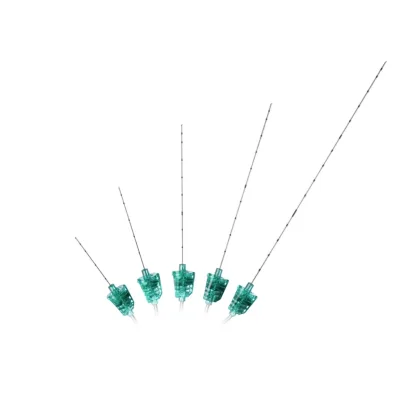
Procurement of echogenic enhanced needletubes requires careful evaluation of the specific gauge and length configurations available in the current market. Buyers must verify that the listed products align with their clinical needs, as observed listings indicate a wide range of sizes from 16g to 27g, with specific models offering 20G, 21G, and 22G options. The availability of customizable lengths, such as 50mm, 80mm, 120mm, 150mm, and 100mm, allows for tailored solutions for various hospital applications, ensuring the instrument fits the specific procedural requirements of the medical facility.
The commercial landscape for these surgical supplies materials presents significant variability in minimum order quantities and pricing structures. While some suppliers list a minimum order quantity of 100 units, others require a baseline of 500 pieces, and certain bulk transactions may extend to 500,000 units depending on the specific product model. This disparity necessitates a clear understanding of the buyer's volume requirements before engaging with potential vendors, as the economic feasibility of the purchase is heavily influenced by these initial quantity thresholds and the associated per-unit cost implications.
Product Scope and Observed Listing Signals
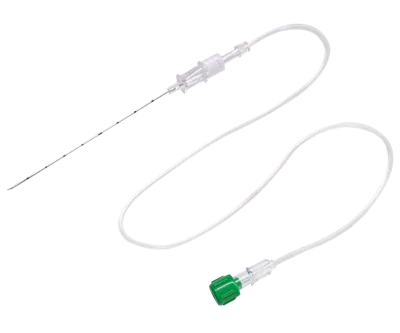
The observed product listings reveal a diverse range of echogenic enhanced needletubes designed for specific medical interventions, including nerve block anesthesia and ultrasound-guided procedures. These instruments are frequently categorized under surgical supplies materials and are explicitly described as properties for injection and puncture, with some models featuring an echogenic tip and stimulation cable for enhanced precision. The presence of detachable nerve stimulation needles and ultrasonic echo needles indicates that the market offers specialized tools capable of relieving pain and supporting rehabilitation therapy supplies within a hospital setting.
Packaging and sterilization methods are critical signals that define the readiness of these products for immediate clinical use. Most observed listings specify a paper plastic package, often accompanied by sterile packing to ensure the integrity of the device upon arrival. Ethylene oxide sterilization is a confirmed attribute for many of these items, providing a reliable method for maintaining sterility during transport and storage. Buyers should confirm that the specific packaging type matches their logistical capabilities and that the sterilization method aligns with their facility's infection control protocols.
Technical Specifications to Verify
Technical verification must begin with the needle gauge and length specifications, which are fundamental to the instrument's performance and safety. The market offers a broad spectrum of sizes, including 16g, 18g, 19g, 20g, 21g, 22g, and up to 27g, with lengths ranging from 50mm to 150mm. It is essential to cross-reference the specific model number, such as Type Z or RF Disposable Electrode variants, against the required clinical application to ensure the needle size and length are appropriate for the intended anatomical target and procedure depth.
Coating and tip technology represent another critical area of technical scrutiny for echogenic enhanced needletubes. Some products feature a Parylene coating, which may offer specific benefits regarding durability and visibility under ultrasound imaging. Additionally, the active tip dimensions, available in 5mm, 10mm, and 15mm configurations, and the calibration point options, which can be with or without, significantly impact the precision of the procedure. Buyers must ensure that the selected coating color, whether white or black, and the specific tip design meet the visual and tactile requirements of their surgical team.
Compliance and Safety Documentation
Ensuring regulatory compliance is a non-negotiable step in the procurement of medical devices, particularly those intended for invasive procedures. While specific certification details like ISOCE are mentioned in some listings, buyers must independently verify the validity of all certifications, including CE and ISO 13485, which are standard expectations for medical equipment originating from China. The absence of explicit certification data in a listing should not be assumed to indicate non-compliance, but rather a need for direct confirmation from the supplier regarding their quality management systems and regulatory approvals.
Safety documentation must also encompass the sterilization status and the quality guarantee period associated with the product. Ethylene oxide sterilization is a standard process observed in the market, but buyers should request proof of sterility assurance levels and batch-specific sterilization records. Furthermore, a quality guarantee period of two years is noted for certain products, which serves as a benchmark for the manufacturer's confidence in their product's durability and performance. Procurement teams should ensure that this guarantee is clearly defined in the contract to protect against premature device failure.
Cost Drivers and Commercial Terms
The total cost of ownership for echogenic enhanced needletubes is influenced by several commercial factors, including the minimum order quantity and the payment terms required by the supplier. While some vendors accept a low MOQ of 100 units, others may demand 500 pieces or more, directly impacting the initial capital outlay. Payment terms, such as the observed requirement for 100% T/T, can also affect cash flow management, requiring buyers to plan their financial resources carefully to meet these upfront obligations before the goods are shipped.
Lead times and customization options play a significant role in the overall cost and timeline of the procurement process. A standard lead time of 15 to 25 working days is common, but this can vary based on the complexity of the order and the availability of specific models. Additionally, the availability of OEM and ODM services allows for branding and design customization, which may incur additional costs or extend the lead time. Buyers must balance the desire for customized solutions with the need for timely delivery to ensure that their clinical operations are not disrupted by supply chain delays.
Supplier Qualification and Quality Control
Supplier qualification should focus on the manufacturer's location and their established track record in producing surgical supplies materials. Many observed listings indicate an origin in Yangzhou, Jiangsu, China, a region known for its medical device manufacturing capabilities. However, the physical location alone is insufficient; buyers must assess the supplier's production capacity, quality control processes, and ability to maintain consistent product standards across different batches to ensure reliable supply.
Quality control measures must be rigorously evaluated to mitigate the risks associated with medical device procurement. The presence of a two-year quality guarantee period suggests a commitment to product reliability, but this should be backed by robust internal testing and inspection protocols. Buyers should inquire about the supplier's procedures for handling defects, their response time for quality issues, and their adherence to international standards. Establishing a clear communication channel for quality assurance is essential for maintaining the high standards required in hospital applications.
Long-Term Procurement Checks
Long-term procurement strategies for echogenic enhanced needletubes require a focus on supply chain stability and the ability to scale orders as clinical needs evolve. The wide range of observed MOQs, from 100 to 500,000 units, suggests that suppliers can accommodate both small-scale trials and large-volume contracts. Buyers should develop a relationship with suppliers that can flexibly adjust production volumes to match demand fluctuations, ensuring a consistent supply of critical surgical instruments without the risk of stockouts or overstocking.
Continuous monitoring of product performance and supplier responsiveness is vital for maintaining the integrity of the procurement program. Regular reviews of the product's performance in clinical settings, combined with feedback on the supplier's adherence to lead times and quality guarantees, will help identify any emerging issues early. By maintaining a proactive approach to supplier management, buyers can ensure that their echogenic enhanced needletubes continue to meet the evolving standards of medical care and safety requirements over the long term.
FAQs
What customization options are available for echogenic enhanced needletube?
Customization is available for these surgical supplies materials. Buyers can request specific needle sizes ranging from 16g to 22g. The products support OEM and ODM services. Logo printing is also offered. This allows for tailored solutions to meet specific hospital application requirements and branding needs effectively.
How are the needles sterilized and packaged?
The needles undergo Ethylene Oxide Sterilization to ensure safety. They are packed in sterile paper plastic packages. This method maintains sterility until use. The packaging is designed for hospital applications. This ensures the instruments remain safe and ready for immediate clinical use upon arrival at the facility.
What is the typical lead time for orders?
The standard lead time is 15-25 working days. This duration applies to most orders placed. Buyers should plan their procurement schedules accordingly. This timeframe allows for proper manufacturing and quality checks. It ensures that all products meet the required standards before shipping to the destination.
Can buyers request specific needle gauges and lengths?
Yes, specific needle gauges and lengths can be requested. Available gauges include 20G, 21G, and 22G. Lengths such as 50mm, 80mm, and 120mm are common. These specifications suit various nerve block and anesthesia procedures. Buyers can select the exact dimensions needed for their clinical protocols and patient requirements.
What certifications do these surgical supplies hold?
These products hold ISO CE certification. This indicates compliance with international quality standards. The certification ensures the manufacturing process meets regulatory requirements. Buyers can trust the quality and safety of the instruments. This certification is crucial for hospital procurement and regulatory approval in various global markets.
What is the minimum order quantity for these needles?
The minimum order quantity varies by supplier. Some suppliers require a minimum of 100 units. Others may set the MOQ at 500 pieces. Buyers should check specific supplier listings for exact requirements. This flexibility allows both small clinics and large hospitals to procure the necessary supplies efficiently.